Buy gossips.eu ?
We are moving the project
gossips.eu .
Are you interested in purchasing the domain
gossips.eu ?
domain@kv-gmbh.de · 0541-91531010
Buy gossips.eu ?
What does "j'ai pas" or "je ne sais pas" mean?
"J'ai pas" is a colloquial way of saying "I don't have" in French, where the word "pas" replaces the word "de." On the other hand, "je ne sais pas" means "I don't know." Both phrases are commonly used in everyday conversations in French-speaking countries. **
What is the difference between c'est pas and ce n'est pas?
The difference between "c'est pas" and "ce n'est pas" lies in their formality. "C'est pas" is a colloquial and informal way of saying "it's not" in French, while "ce n'est pas" is the formal and standard way of expressing the same idea. "C'est pas" is commonly used in spoken language and informal writing, while "ce n'est pas" is more appropriate for formal writing and polite speech. **

Similar search terms for Pas bien
Top-Angebote
Products related to Pas bien:
-
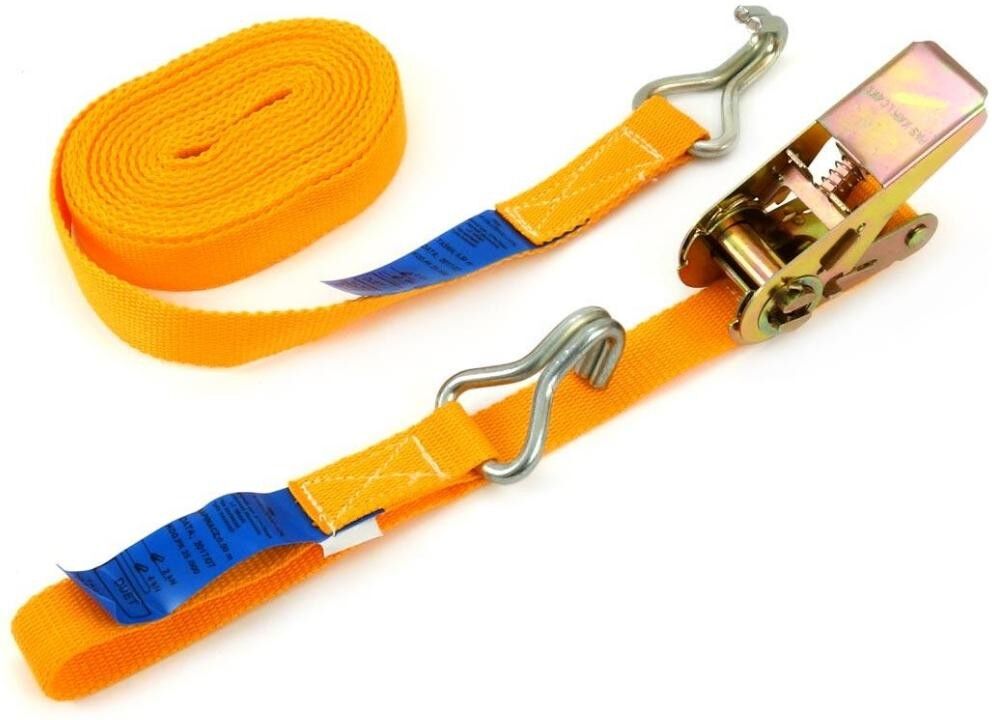
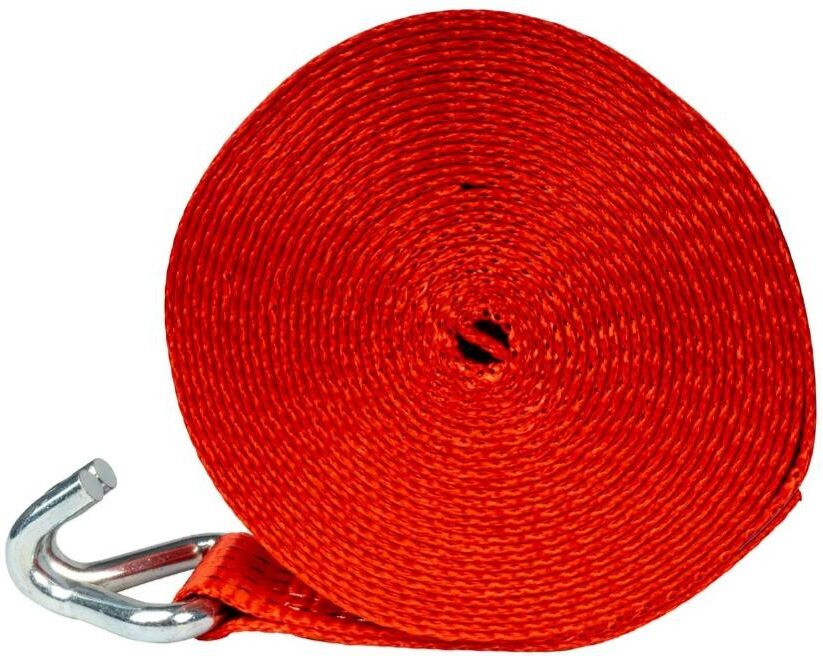
PAS-KAM 02029 Tie down strapMaximum Carrying Load [kg]: 500; Length [m]: 6; Width [mm]: 25; Colour: yellow; Tools: with ratchet function; Supplementary Article / Supplementary Info Info 2: with hook; Number of hooks: 2; Number of Parts [parts]: 2; Quantity: 1; Quantity Unit: Kit; Features: with ratchet, with hook; Material: Polyester; Properties: with hook, with ratchet; Tie-down strap type: two-piece5,29 £*Shipping: 8,45 £Secure redirect to the provider

-
Can you please provide a summary of "Je suis bien, ne t'en fais bien"?
"Je suis bien, ne t'en fais pas" is a French phrase that translates to "I'm fine, don't worry." It is a reassuring statement used to let someone know that everything is okay and there is no need to be concerned. This phrase is often used to comfort someone who may be worried about you or a situation. **
-
Can you please give a summary of "Je suis bien, ne t'en fais bien"?
"Je suis bien, ne t'en fais bien" is a French phrase that translates to "I'm fine, don't worry." It is a reassuring statement used to let someone know that you are doing well and there is no need for them to be concerned. This phrase is often used to comfort someone who is worried about your well-being and to reassure them that everything is okay. It is a simple yet powerful way to convey a sense of calm and reassurance to others. **
-
Does it say Je n'aime pas le chocolat or Je n'aime pas de chocolat?
The correct phrase is "Je n'aime pas le chocolat." This means "I don't like chocolate." The use of "le" indicates a specific, definite object, in this case, "the chocolate." Using "de" in this context would not be grammatically correct. **
-
'With whom did Bien-Zenker Livinghaus build?'
Bien-Zenker Livinghaus built with the German company Viessmann, a leading international provider of heating, industrial, and refrigeration systems. Together, they developed the Active House concept, which focuses on creating sustainable and energy-efficient homes that promote a healthy indoor environment. This collaboration allowed Bien-Zenker Livinghaus to integrate Viessmann's expertise in energy systems and sustainability into their home designs, offering customers innovative and environmentally friendly living solutions. **


When do you use ne pas in French negation and when do you use ne pas de?
In French, "ne pas" is used to form negation when the verb is directly negated, for example, "Je ne parle pas" (I do not speak). On the other hand, "ne pas de" is used when the negation involves a quantity or a partitive article, for example, "Je n'ai pas de pain" (I do not have any bread). So, "ne pas" is used for general negation of verbs, while "ne pas de" is used for negating the existence of a quantity or a partitive article. **
What were your most embarrassing fashion faux pas?
One of my most embarrassing fashion faux pas was when I wore a pair of pants that had a huge rip in the back without realizing it. I only found out when a friend pointed it out to me in public. Another time, I wore a shirt inside out all day without noticing. Both instances were quite embarrassing, but looking back, they make for funny stories. **
Top-Angebote
Products related to Pas bien:
-
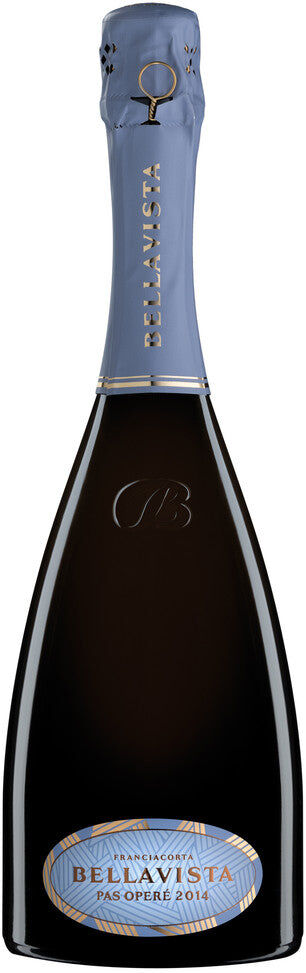
Franciacorta Pas Operé Bellavista 2016Franciacorta Grand Cuvée Pas Operé born from the experience and meticulous company Bellavista, a monument of sparkling wines in Italy. The Chardonnay and Pinot Noir grapes, carefully selected, coming from vines over 20 years, grown high in the hills of Franciacorta. The result is an elegant sparkling wine with a fruity taste, soft and enveloping, with a fine-grained persistent perlage. A sparkling wine that embodies all the passion that this historic winery owns the land on which it is established for years, since 1977, when Vittorio Moretti founded Bellavista, with the idea of creating a unique winery that was a great representation of Franciacorta. Since then Bellavista has gained ground in the Franciacorta's history, until reach a point of reference for the sparkling wines of this area. The impeccable quality of its wines and soundness of the company have grown and matured over the years, mostly thanks to Vittorio Moretti and winemaker-director Mattia Vezzola, who has led the winery to unthinkable levels of quality. Even this Franciacorta Pas Operé is a small jewel of Bellavista: a sparkling intense and exuberant, embracing in its hints of vanilla and fruits.52,00 £*Shipping: 48,00 £Secure redirect to the provider
-
'Pourquoi Pas' Domaine Chasselay 2024Domaine Chasselay 'Pourquoi Pas' is a Beaujolais wine that plays on liveliness and smoothness, designed as an everyday wine. In keeping with the tradition of the region, 'Pourquoi Pas' is produced through carbonic maceration of Gamay grapes, a practice that consists of crushing whole bunches in an environment saturated with carbon dioxide in order to promote intracellular fermentation in the berries. This particular process, used for example in the production of new wines, enhances the fruity and floral aromas of the wine while giving it a softer and juicier body. The French expression 'pourquoi pas' means 'why not', a reference to the sign at the entrance to the estate. This bottle is also marketed in a series of three different labels.Domaine Chasselay's 'Pourquoi Pas' is a 100% Gamay grown in the 'Rouvière' lieu-dit in accordance with certified organic farming principles. Here, the vines have an average age of 60 years and grow on clay-limestone soils. After manual harvesting, the grapes are transferred to the cellar and vinified whole through 6 days of cold carbonic maceration and 10 days of spontaneous alcoholic fermentation. The maturation period is rather short and bottling usually takes place around February.The Gamay 'Pourquoi Pas' from Domaine Chasselay is purple-red in colour with ruby hues. Vivid and pleasant hints of blueberry, raspberry, cherry, wild strawberry and lavender emerge on the nose, while on the palate the wine is fresh, subtle and easy to drink, with remarkable liveliness and a juicy, fragrant finish that invites further tasting.18,00 £*Shipping: 48,00 £Secure redirect to the provider
-
PAS-KAM 02029 Tie down strapMaximum Carrying Load [kg]: 500; Length [m]: 6; Width [mm]: 25; Colour: yellow; Tools: with ratchet function; Supplementary Article / Supplementary Info Info 2: with hook; Number of hooks: 2; Number of Parts [parts]: 2; Quantity: 1; Quantity Unit: Kit; Features: with ratchet, with hook; Material: Polyester; Properties: with hook, with ratchet; Tie-down strap type: two-piece5,29 £*Shipping: 8,45 £Secure redirect to the provider
-
What does "j'ai pas" or "je ne sais pas" mean?
"J'ai pas" is a colloquial way of saying "I don't have" in French, where the word "pas" replaces the word "de." On the other hand, "je ne sais pas" means "I don't know." Both phrases are commonly used in everyday conversations in French-speaking countries. **
-
What is the difference between c'est pas and ce n'est pas?
The difference between "c'est pas" and "ce n'est pas" lies in their formality. "C'est pas" is a colloquial and informal way of saying "it's not" in French, while "ce n'est pas" is the formal and standard way of expressing the same idea. "C'est pas" is commonly used in spoken language and informal writing, while "ce n'est pas" is more appropriate for formal writing and polite speech. **
-
Can you please provide a summary of "Je suis bien, ne t'en fais bien"?
"Je suis bien, ne t'en fais pas" is a French phrase that translates to "I'm fine, don't worry." It is a reassuring statement used to let someone know that everything is okay and there is no need to be concerned. This phrase is often used to comfort someone who may be worried about you or a situation. **
-
Can you please give a summary of "Je suis bien, ne t'en fais bien"?
"Je suis bien, ne t'en fais bien" is a French phrase that translates to "I'm fine, don't worry." It is a reassuring statement used to let someone know that you are doing well and there is no need for them to be concerned. This phrase is often used to comfort someone who is worried about your well-being and to reassure them that everything is okay. It is a simple yet powerful way to convey a sense of calm and reassurance to others. **
Similar search terms for Pas bien
-
Franciacorta Pas Dosé Elisabetta Abrami 2018The Franciacorta Pas Dosé Millesimato by Elisabetta Abrami is the highest expression of purity, a tense and austere Metodo Classico, deep and decisive, dedicated to enthusiasts looking for wines that perfectly reflect the terroir and the character of the vintage. The choice of zero dosage implies the use of exceptional quality and ripeness grapes, which manage to find and express the right harmony over time without any need for added sugar. It is a bottle for connoisseurs, who love to find in each vintage the typical nuances of the seasonal trends of a single harvest. The Pas Dosé by Elisabetta Abrami is a Millesimato Franciacorta born from a very vocated terroir. The estate is located, in fact, near Provaglio d'Iseo, in an area with a particularly cool climate, but mitigated by the presence of Lake Iseo. The vineyards are situated on the hills that rise towards Mount Cognolo and are cultivated under organic farming. The cuvée is the result of grapes from different company vineyards of Chardonnay and Pinot Nero that are hand-picked with selection of the best bunches during the month of August. The soft pressing and vinification take place separately for each parcel. Fermentation occurs partly in stainless steel tanks and partly in French oak barriques. After a few months, the base wines are blended and the second fermentation is carried out in the bottle according to the Metodo Classico, with a sur lattes aging of at least 30 months, before proceeding to the dégorgement. The Millesimato Pas Dosé Elisabetta Abrami is a Franciacorta with a distinctive personality, without any concession to the easy pleasantness of softness. Of a bright yellow color with brilliant golden reflections, it is characterized by a very fine and persistent perlage. On the nose, it expresses aromas of yellow-fleshed fruit, hints of tropical fruit, honeyed softness, hints of bread crust and toasted dried fruit. With good structure and intensity, on the palate it is complex with a vertical and deep sip, anticipating a dry, savory, and very persistent finish.37,00 £*Shipping: 48,00 £Secure redirect to the provider
-
Franciacorta Pas Operé Bellavista 2020 (Confezione)Il Franciacorta Pas Operé di Bellavista è una delle etichette più prestigiose della famosa cantina di Erbusco. Si tratta di un Metodo Classico realizzato con un’accurata selezione delle migliori uve di Pinot Nero e Chardonnay della tenuta, provenienti da vecchie vigne coltivate nelle parcelle più vocate. Uve di straordinaria intensità e maturità aromatica, che permettono di ottenere una cuvée armoniosa senza il bisogno di alcun dosaggio. Il lunghissimo periodo d’affinamento sui lieviti contribuisce a creare una notevole complessità e ricchezza espressiva. È un Franciacorta dedicato a chi ama la purezza espressiva, l’integrità assoluta nella sua versione più profonda e austera, essenziale e lineare. Il Metodo Classico Pas Operé è un Franciacorta che rientra a pieno titolo tra le etichette più interessanti della denominazione. La cantina Bellavista è uno dei nomi più importanti del territorio. Nata negli anni ’70 dalla passione di Vittorio Moretti, in breve tempo si è imposta come riferimento del territorio, grazie a una produzione indirizzata solo alla qualità assoluta. Oggi l’azienda gestisce complessivamente di circa 200 ettari di vigneto, suddiviso in molti appezzamenti coltivati con Chardonnay, Pinot Nero e Pinot Bianco. Lo stile della cantina è molto classico e punta su cuvée caratterizzate da finezza espressiva, aromi delicati ed eleganti, che sappiano rappresentare al meglio il profilo varietale delle uve e il carattere del terroir franciacortino. Il Pas Operé di Bellavista è un dosaggio zero realizzato con i migliori grappoli selezionati in vigne di una quarantina di parcelle di pregio. Le fermentazioni avvengono per metà della massa in piccole botti di rovere bianco e il resto in vasche d’acciaio inox. I vini base maturano per alcuni mesi prima di essere assemblati nella cuvée definitiva. La seconda fermentazione si svolge in bottiglia secondo il Metodo Classico con una sosta sui lieviti di almeno 72 mesi. Nel calice si presenta di colore giallo paglierino con luminosi riflessi dorati. Il perlage è molto fine e persistente. Il bouquet è elegante e raffinato, con aromi di agrumi, di frutta gialla matura, cenni esotici, sentori di crosta di pane, sfumature di frutta secca e vaniglia. Il sorso è intenso, complesso, con un allungo deciso e verticale verso un finale secco e persistente, caratterizzato da una vibrante freschezza minerale. Un Franciacorta da intenditori, ideale per una cena importante a base di pesce.45,00 £*Shipping: 48,00 £Secure redirect to the provider
-
Does it say Je n'aime pas le chocolat or Je n'aime pas de chocolat?
The correct phrase is "Je n'aime pas le chocolat." This means "I don't like chocolate." The use of "le" indicates a specific, definite object, in this case, "the chocolate." Using "de" in this context would not be grammatically correct. **
-
'With whom did Bien-Zenker Livinghaus build?'
Bien-Zenker Livinghaus built with the German company Viessmann, a leading international provider of heating, industrial, and refrigeration systems. Together, they developed the Active House concept, which focuses on creating sustainable and energy-efficient homes that promote a healthy indoor environment. This collaboration allowed Bien-Zenker Livinghaus to integrate Viessmann's expertise in energy systems and sustainability into their home designs, offering customers innovative and environmentally friendly living solutions. **
-
When do you use ne pas in French negation and when do you use ne pas de?
In French, "ne pas" is used to form negation when the verb is directly negated, for example, "Je ne parle pas" (I do not speak). On the other hand, "ne pas de" is used when the negation involves a quantity or a partitive article, for example, "Je n'ai pas de pain" (I do not have any bread). So, "ne pas" is used for general negation of verbs, while "ne pas de" is used for negating the existence of a quantity or a partitive article. **
-
What were your most embarrassing fashion faux pas?
One of my most embarrassing fashion faux pas was when I wore a pair of pants that had a huge rip in the back without realizing it. I only found out when a friend pointed it out to me in public. Another time, I wore a shirt inside out all day without noticing. Both instances were quite embarrassing, but looking back, they make for funny stories. **
* All prices are inclusive of VAT and, if applicable, plus shipping costs. The offer information is based on the details provided by the respective shop and is updated through automated processes. Real-time updates do not occur, so deviations can occur in individual cases. ** Note: Parts of this content were created by AI.